Why a safer Houston may require more than better driving habits
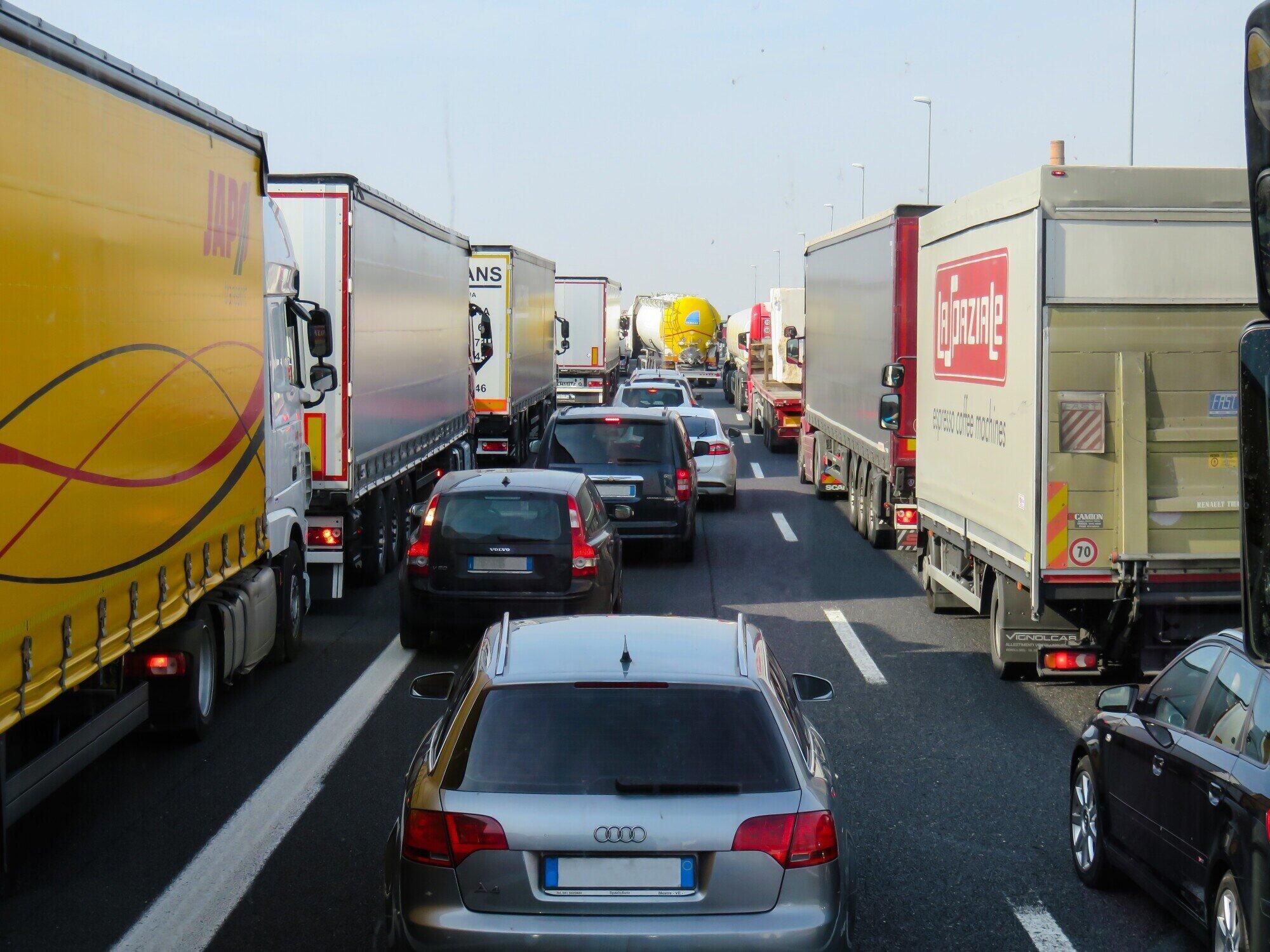
Strong driving habits are vital on Houston roads. However, rising traffic incidents point to systemic factors, including road design, rapid population growth, and infrastructure gaps that individual behavior alone cannot overcome.
Houston recorded 301 traffic fatalities in 2024, a new record for the city and an 11% increase from 2023, according to Houston Public Media. For a city dealing with traffic at this scale, the numbers point to a problem that runs deeper than individual behavior.
So, what gives?
What Causes Most Car Accidents in Houston?
Improving road safety starts with understanding what’s driving the numbers. The leading factors behind fatal crashes in Houston are:
- Speeding
- Distracted driving
- Impaired driving
- Failure to yield at intersections along high-traffic surface streets
- Running red lights at Houston’s busiest corridors
These are individual behaviors, and they matter. Houston recorded those numbers despite years of public awareness campaigns aimed at exactly these problems. The behavior explains what’s happening, but it doesn’t fully explain why the numbers keep rising.
Rapid Growth Puts More Pressure on Roads
Houston is one of the fastest-growing cities in the country, and its road network is absorbing the growth without keeping pace with it. More vehicles, longer commutes, and expanding development push more traffic onto corridors that weren’t designed for current volume.
Urban safety measures take time to implement, and the city’s population growth isn’t waiting. More vehicles mean more opportunities for crashes, particularly at intersections and highway merge points where traffic patterns are already complex.
The Impact of Road Design on Driver Behavior
A wide lane on a high-speed corridor signals to most drivers that faster is acceptable. A poorly timed signal at a busy intersection forces drivers into split-second decisions they shouldn’t have to make. Inadequate lighting on stretches of highways where crashes concentrate at night creates risk that no individual driver fully controls.
Houston has corridors where these conditions have existed for years alongside unrelenting high crash numbers. Building a safer community on those roads requires better signage, protected left turns, improved pedestrian crossings, and adequate lighting that address risks awareness campaigns never reach.
When Crashes Happen, Accountability Matters
A serious crash in Houston can have multiple causes. A speeding driver on a poorly lit road with an inadequately designed merge point represents multiple failures, and more than one party may bear responsibility for the outcome.
Pursuing accountability after a crash requires establishing what caused it, who had a duty to prevent it, and what evidence supports the case. The process moves quickly after an incident, and critical evidence can vanish just as quickly.
If you’ve been involved in an accident, it’s prudent to have the right lawyer on your team as soon as possible. An experienced personal injury lawyer in Houston, TX, investigates those contributing factors and builds a case around every party whose negligence played a role.
Houston Roads Call for More Than Good Driving Habits
Better driving habits count, but they address only part of the problem. Houston accident prevention requires infrastructure investment, smarter road design, and legal accountability for negligence working together.
Keep tabs on our website to stay informed on what’s happening around Houston.