REALITY AV BLACK HISTORY LESSON OF THE DAY

Tennis player Althea Gibson was one of the first Black athletes to cross the color line.
Althea Gibson was born in South Carolina on August 25th, 1927. Her family then moved to Harlem, Manhattan, where she spent most of her childhood. When she was 10 years old, the Police Athletic League closed off traffic on her street to allow the children to play sports outside. This is when Gibson developed her love of athletics and her gifted tennis abilities.
Gibson went on to win a string of major titles on the African American tennis circuit. She was eventually permitted to enter the major international tournaments, becoming the first Black athlete to win a Grand Slam title, and the first to play at Wimbledon—later winning Wimbledon and the US Nationals (the precursor to the US Open). She was inducted into the Tennis Hall of Fame in 1971 and has often been compared to Jackie Robinson for her role in breaking down segregation in sports.
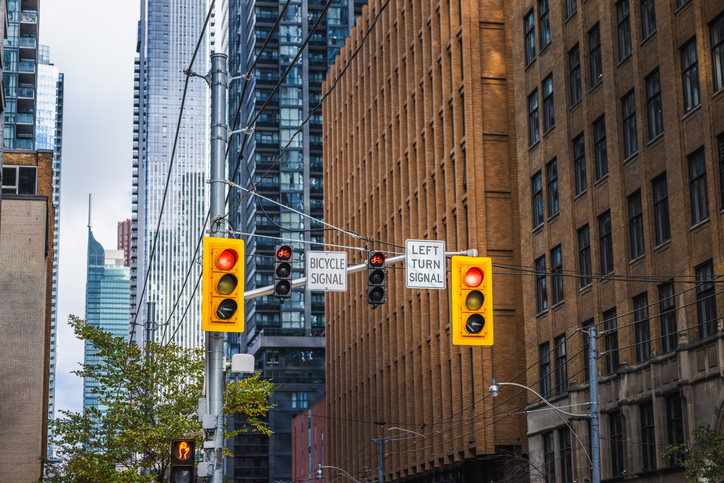
The three-light traffic signal was invented by a Black man named Garrett Morgan.



Garrett Morgan had only an elementary school education and was the son of a formerly enslaved man. Nevertheless, Morgan surmounted these difficulties and is responsible for many important inventions. Most notably, Morgan invented the three-light traffic signal in 1923.
While driving one day, Morgan witnessed a serious car crash at an intersection. This sparked his idea to add a third light to the traffic signal which would warn drivers of an impending red light. His patent was granted in 1924, and after early installments of the three-light traffic signal were successful, they spread throughout the country and became the three-light signal many of us encounter daily.