What an eco-friendly lawn says about the values of the family behind the front door
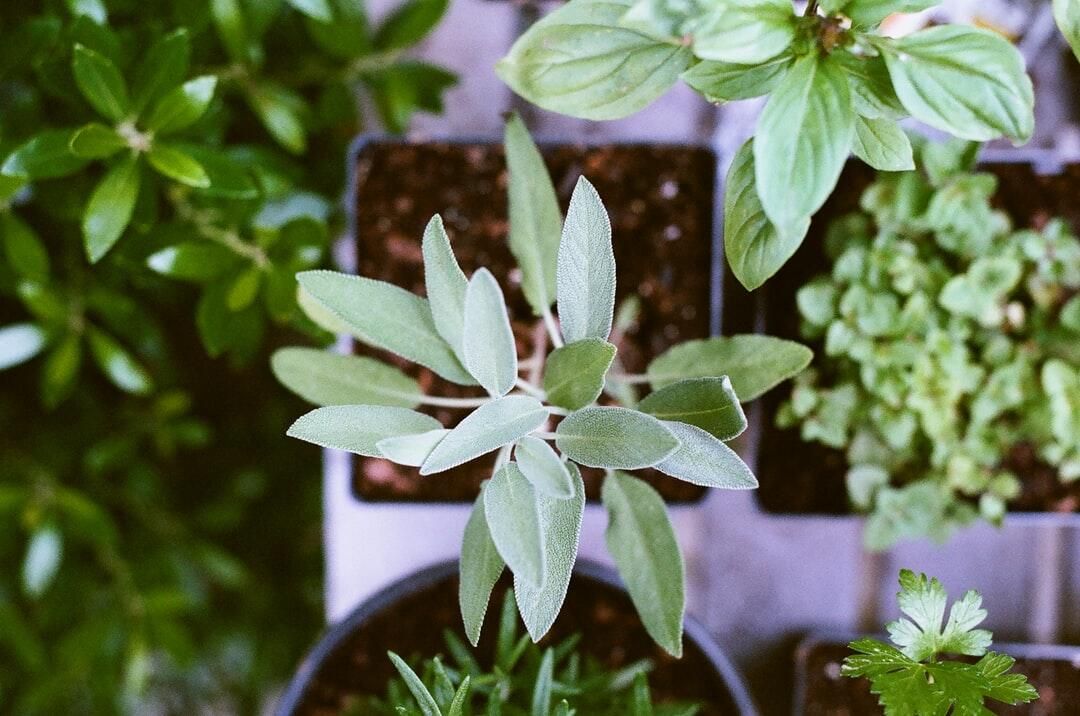
An eco-friendly lawn reflects a family’s deeper values, signaling care for water, wildlife, and the environment their children will inherit through the choices they make in the most visible part of their home.
What does your front lawn say about you before anyone rings the bell?
More than most people intend. Long before a visitor reaches the door, the yard has already spoken. A patch of grass is easy to read once you know what to look for, and an eco-friendly lawn in particular tends to stand out.
The green out front is not just about the curb appeal. It also reflects a set of values that show up in the grass before anyone says a word.
What Makes a Lawn Eco-Friendly?
Sustainable landscaping works with the local climate, not against it, using less water, fewer chemicals, and smarter choices from the ground up. A few things set an eco-friendly lawn apart:
- Drought-tolerant or native grass suited to the region’s rainfall
- Quality sod that establishes deep roots and needs less water over time
- Little to no synthetic pesticide or fertilizer runoff
- Watering timed for early morning to cut evaporation
- Healthy soil that holds moisture and supports pollinators
The payoff is a yard that stays green without draining a reservoir or leaching chemicals into the groundwater.
An Eco-Friendly Lawn Signals Environmental Responsibility
A family that chooses an eco-friendly lawn is making a quiet statement about responsibility. Every decision – the grass type, the watering schedule, the choice to skip harsh chemicals – treats the yard as part of a larger system.
Water is the clearest example. In much of Texas, where summer drought and restrictions are routine, choosing drought-tolerant sod says a household takes conservation seriously.
Starting with the right grass makes it easier. Professional Starr Turf Dallas sod installation puts down healthy, climate-appropriate turf that needs less water and fewer inputs to thrive.
Respect for Local Wildlife and Pollinators
An eco-friendly yard makes room for more than the people who live there. Native plants, flowering ground cover, and a lighter hand with pesticides turn a lawn into a small habitat for bees, butterflies, and birds.
Families who take up eco-conscious gardening teach a quiet lesson: that a yard can give something back. Supporting the pollinators behind a third of the food we eat is stewardship in its simplest, most local form.
Teaching the Next Generation Through Everyday Choices
Kids learn values by watching, not by lecture. A family that tends an eco-friendly yard passes down its family environmental values one small habit at a time:
- Watering in the cool morning hours to waste less
- Composting clippings and leaves for the garden
- Choosing native plants and watching pollinators arrive
- Skipping harsh chemicals to keep the soil and pets safe
- Pulling weeds by hand to skip the spray
A child who grows up doing these things absorbs the lesson without ever being taught it. Caring for the land becomes second nature.
A Lawn That Reflects the People Inside
An eco-friendly lawn is a small thing that says a lot. It reflects a family that thinks about water, wildlife, and the world its kids will inherit, part of a wider set of sustainable home practices that show up in the most visible spot on the property.
Find more stories on faith, family, and everyday values at Praise Houston.