Protecting tomorrow by investing in today’s underground infrastructure
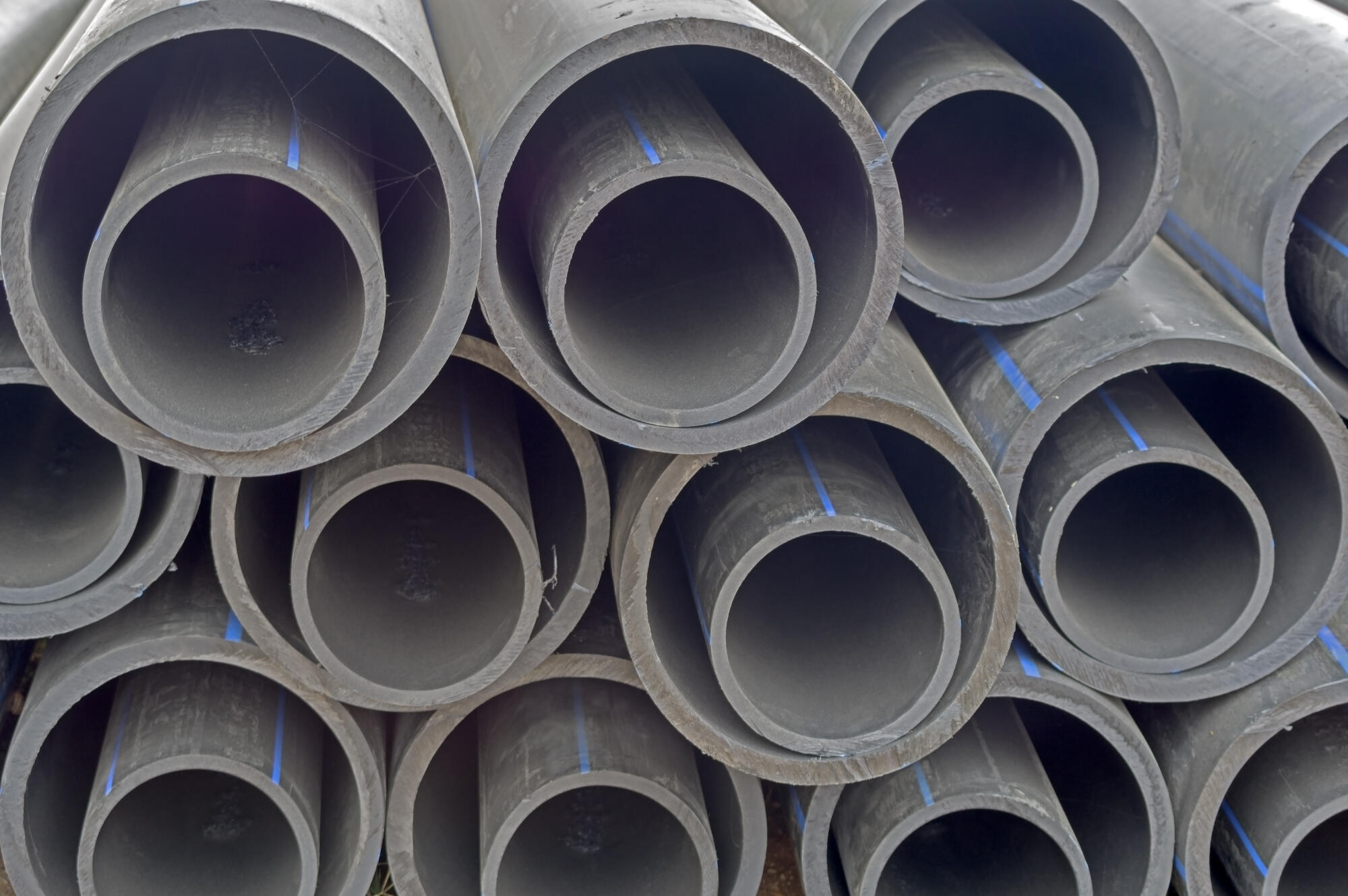
We can protect tomorrow by investing in modernizing utility networks before they fail and using smart underground systems to improve efficiency and resilience. Coordinated infrastructure projects can save time and money, and these investments support sustainable communities for decades.
Fortune Business Insights reports that the underground utility mapping market size was valued at $1.57 billion in 2025 and will reach $4.08 billion by 2034. This indicates that there is a lot to be done regarding underground infrastructure improvements.
While much of urban planning happens aboveground, it’s worthwhile to make an infrastructure investment below. We need to future-proof infrastructure by focusing efforts underground.
Can We Modernize Aging Utility Networks Before They Fail?
Much of the infrastructure buried beneath cities was installed decades ago and is reaching the end of its expected lifespan. Delaying replacement often leads to more than emergency repair bills, as it can disrupt businesses, damage homes, and create public safety hazards.
Proactive investment in things like an HDPE pipe supplier allows municipalities to replace vulnerable assets on a planned schedule instead of reacting to costly failures. Modern materials, improved installation methods, and better mapping technologies also extend system life while reducing maintenance needs.
Prioritizing underground infrastructure before visible problems emerge allows communities to avoid frequent service interruptions.
Smart Underground Systems Improve Efficiency and Resilience
Today’s underground infrastructure is becoming more intelligent through the integration of advanced civil engineering solutions, such as:
- Sensors
- Remote monitoring
- Data analytics
Not only can these technologies reduce waste, but they can also improve maintenance planning and help utility operators respond faster during emergencies. Smart monitoring also provides valuable data for long-term asset management, and this allows cities to invest where repairs will have the greatest impact. Decision-makers can prioritize components showing signs of deterioration rather than replace infrastructure based solely on age.
Coordinated Infrastructure Projects Save Time and Money
Investing strategically often means coordinating multiple underground improvements within a single construction project. When roads are already being excavated, doing the following simultaneously minimizes future disruptions:
- Replacing aging water pipes
- Upgrading stormwater systems
- Installing fiber-optic conduits
- Modernizing utility lines
This coordinated planning reduces labor costs, limits repeated road closures, and decreases inconvenience for residents and businesses. Collaboration also helps prevent conflicts between underground assets and simplifies future maintenance.
Do Underground Investments Support Sustainable Communities for Decades?
Strong underground infrastructure plays a critical role in achieving long-term sustainable development goals. Modern stormwater systems help reduce flooding and improve water quality, while upgraded water distribution networks minimize leaks that waste millions of gallons annually.
Expanded underground electrical capacity supports renewable energy integration, electric vehicle charging, and future technologies that need reliable power delivery. In addition, durable utility systems reduce the need for repeated excavation, and this lowers emissions associated with construction and minimizes disruptions to neighborhoods.
Invest in Underground Infrastructure Today
The state of underground infrastructure is essential for everything running smoothly aboveground. As communities continue to grow, investing beneath the surface can create the foundation for safer, cleaner, and more adaptable cities.
If you found this article informative, then discover more like it by checking out the rest of our website.